

Energy Demand from AI
Artificial intelligence (AI) model training and deployment occur mainly in data centres. Understanding the role of data centres as actors in the energy system first requires an understanding of their component parts. Data centres are facilities used to house servers, storage systems, networking equipment and associated components that are installed in racks and organised into rows. This IT equipment, and a range of auxiliary equipment required to keep it in working order, comprise the following:
- Servers are computers that process and store data. They can be equipped with central processing units (CPUs) and specialised accelerators such as graphics processing units (GPUs). On average they account for around 60% of electricity demand in modern data centres, although this varies greatly between data centre types.
- Storage systems are devices used for centralised data storage and backup, and account for around 5% of electricity consumption.
- Networking equipment includes switches to connect devices within the data centre, routers to direct traffic and load balancers to optimise performance. Networking equipment accounts for up to 5% of electricity demand.
- Cooling and environmental control refers to equipment that regulates temperature and humidity to keep IT equipment operating at optimal conditions. The share of cooling systems in total data centre consumption varies from about 7% for efficient hyperscale data centres to over 30% for less-efficient enterprise data centres.
- Uninterruptible power supply (UPS) batteries and backup power generators are there to keep the data centre powered during outages. Both UPS and backup generators are rarely used, but necessary to ensure the extremely high levels of reliability that data centres must meet.
- Other infrastructure, such as lighting and office equipment for on-site staff, etc.
The share of these different components in data centre electricity consumption varies greatly by type of data centre, depending on the nature and efficiency of the equipment they have installed. Data centres at least at the scale seen today are relatively new actors in the energy system at the global level. Today, electricity consumption from data centres is estimated to amount to around 415 terawatt hours (TWh), or about 1.5% of global electricity consumption in 2024. It has grown at 12% per year over the last five years.
The rise of AI is accelerating the deployment of high-performance accelerated servers, leading to greater power density in data centres. Understanding the pace and scale of accelerator adoption is critical, as it will be a key determinant of future electricity demand. The key input to our modelling is therefore near-term industry projections for server shipments, considering the outlook for demand and supply constraints. There is substantial uncertainty both about data centre consumption today and in the future. The uncertainty surrounding future electricity demand requires a scenario-based approach to explore alternative pathways and provide perspectives on timelines relevant for energy sector decision-making. While the technology sector moves quickly and a data centre can be operational in two to three years, the broader energy system requires longer lead times to schedule and build infrastructure, which often requires extensive planning, long build times and high upfront investment.
Three sensitivity cases (Lift-Off, High Efficiency and Headwinds) capture uncertainties in efficiency improvements in hardware and software, AI uptake and energy sector bottlenecks. Our Base Case finds that global electricity consumption for data centres is projected to double to reach around 945 TWh by 2030 in the Base Case, representing just under 3% of total global electricity consumption in 2030. From 2024 to 2030, data centre electricity consumption grows by around 15% per year, more than four times faster than the growth of total electricity consumption from all other sectors. However, in the wider context, a 3% share in 2030 means that data centre share in global electricity demand remains limited. Electricity consumption in accelerated servers, which is mainly driven by AI adoption, is projected to grow by 30% annually in the Base Case, while conventional server electricity consumption growth is slower at9% per year. Accelerated servers account for almost half of the net increase in global data centre electricity consumption, while conventional servers account for only around 20%. Other IT equipment, and infrastructure (cooling and other infrastructure) demand account for around 10% and 20% of the net increase respectively. All three types of data centres enterprise, colocation and server provider, and hyperscale contribute to the growth in electricity consumption.
Wind Energy
Wind energy is one of the most efficient and sustainable forms of renewable energy — and currently the fastest-growing source of electricity in the world. However, this swift expansion leaves the wind sector facing significant challenges in terms of efficiency, scaling, and costs. Artificial intelligence can help the wind-energy sector address these challenges, offering immediate improvements on several fronts. And as the industry matures and advances, exploration of new applications for AI-driven technologies are likely to offer additional pathways for wind-power innovation.
Weather Forecasting and Wind Analysis
Artificial intelligence enables constant, consistent, and near-instantaneous analysis of vast amounts of environmental data — empowering accurate prediction and real-time adjustment to current weather and wind conditions. This leads to improved planning and operational efficiency, eliminates unnecessary shutdowns due to weather or environmental hazards, and reduces equipment malfunction and damage caused by atmospheric conditions.
Maintenance Optimization
Some wind-energy providers are already using AI to predict maintenance needs and optimize turbine performance. By monitoring wind conditions and cross-referencing environmental data with records of past maintenance, AI can identify patterns that may indicate a need for future maintenance or repair. This information can then be used to create an optimized schedule, identifying exactly when (and how often) maintenance should be performed.
Turbine Monitoring and Inspection
Inspection of wind turbines is a critical task to ensure their safe and efficient operation. AI-driven tools can be used to monitor the performance of turbines in real-time, as well as to automate turbine inspection. When combined with powerful computer vision or cutting-edge robotics, these tools often reveal defects that are easily overlooked by human inspectors, identifying potential problems while providing powerful insights that boost operational efficiency. AI-driven tools not only enhance the safety of turbine operations, but their use also mitigates exposure to risks caused by failed equipment — avoiding costly downtime, while ensuring that turbines are operating at peak efficiency.

Generative AI in solar systems design, optimization, and sizing
The integration of Gen-AI in solar systems design, optimization, and sizing represents a paradigm shift in renewable energy technologies. Gen-AI’s data-driven capabilities empower engineers and designers to innovate and refine the solar systems of tomorrow. This section explores how Gen-AI enhances the processes of solar systems’ design, optimization, and sizing, making them more efficient, adaptable, and sustainable. The emphasis is on the transformative impact of AI on the development and deployment of solar technologies, ensuring they meet the dynamic demands of energy production and environmental stewardship.
Artificial Intelligence in Electricity Trading
Artificial Intelligence in power trading helps improve forecasts. With AI, it is simpler to evaluate systematically the large amount of data in electricity trading, such as weather data or historical data. Better forecasts also increase grid stability and thus supply security. Especially in the field of forecasts, AI can help facilitate and speed up the integration of renewables. Machine Learning and Neural Networks play an important role in improving forecasts in the energy industry. Developments in forecasting quality in recent years have shown the potential of AI in this area: There is already a reduction in the demand for control reserve, even though the share of volatile power generators in the market has increased.
AI for Power Consumption
Consumers, intelligently connected in the electricity system, can contribute to a stable and green electricity grid. Smart home solutions and smart meters already exist, but they are not yet widely used. In a smart networked home, the networked devices react to prices on the electricity market and adapt to household usage patterns in order to save electricity and reduce costs. One example is smart networked air conditioning systems. They react to prices on the electricity market by boosting their output when electricity is abundant and cheap. By analysing user data, they can also include information about user preferences and time windows in their calculations. Currently, AI is being deployed in several key areas of utility operations to improve reliability and operational performance:
Using AI to Improve Energy Reliability and Grid Resilience
- Day-to-Day Operations and System Planning: Utilities must manage their energy supply from numerous sources and address complex customer interactions, including various rate options and bi-directional energy flows from customers generating their own power. As an example, AI could help improve forecasting by analysing real-time weather data to predict customer consumption, enabling better management during peak periods.
- Operations and Maintenance Investments: In addition to monitoring the status of electric generation, transmission, and distribution assets, AI can predict abnormal performance of those assets and automatically generate work orders when it identifies pending equipment failures. It can also assist field workers by providing access to comprehensive service manuals and performance data, enhancing efficiency in addressing maintenance issues. AI may also help control machines that assist with tasks related to the physical installation, operation, and maintenance of power projects.
- Customer-Facing Applications: AI can support customer service agents by pulling customer data to create personalized energy profiles and identify issues more efficiently. During emergencies, AI could help manage increased call volumes by providing personalized recommendations and support through utility chatbots.
- System Monitoring and Security: AI is being combined with surveillance and sensor systems to automatically detect and analyse anomalous activities affecting the cyber systems that make up a utility’s operational technology and information technology infrastructure, including assets such as energy management systems, relays, and remote terminal units. This capability is crucial for both physical security and cybersecurity, helping identify threats faster and enabling responses that preserve system integrity or minimize the disruption of assets.
In the context of grid resilience, the focus shifts from preparation to minimizing the duration and impact of disruptions and enhancing recovery capabilities. AI can play a key role in achieving these goals due to its proficiency in improving response time and efficiency. It can enhance situational awareness by providing operators with real-time information about grid status. Effective resilience planning also involves leveraging available resources, especially when some may be unavailable during an event. AI can help improve modelling and resource integration, which will become more important and complex as the grid evolves to include more dispersed power sources.
The potential of natural gas
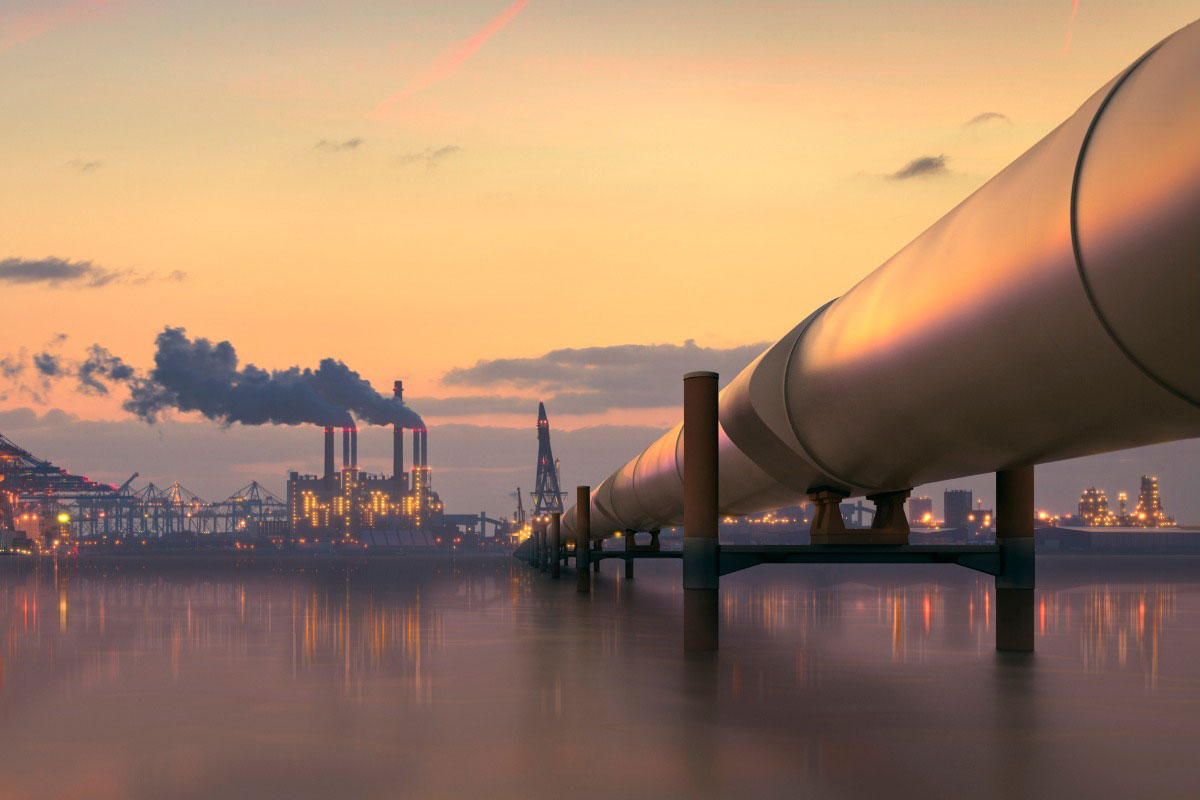
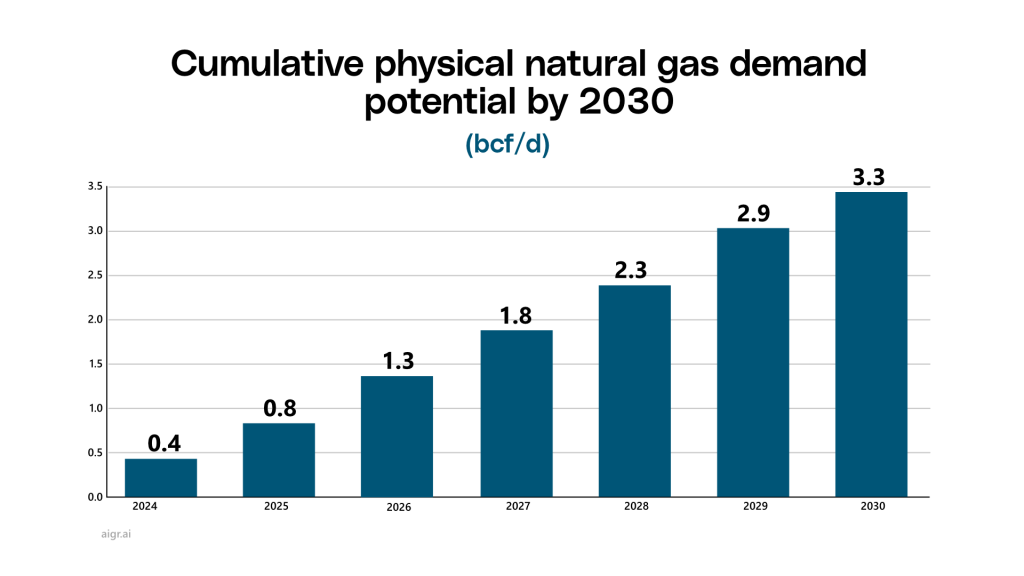
There is a significant risk of under optimizing the role of gas. The discussion of peak oil and gas combined with the lack of a compelling narrative that resonates beyond the industry risks unintentionally creating a self-fulfilling scenario. Making only short-term investments in gas and perceiving it as an energy without a long-term future could result in lower availability and competitiveness of gas, right at the moment it is needed the most. Natural gas plays a critical role in our existing energy system, enabling grid stability and reliability while being a cleaner fossil fuel than coal and oil. It releases about half the carbon dioxide of coal, and it has the energy density needed by intense industrial heat and power.
In Asia, emerging economies like China and India are driving a surge in demand for liquefied natural gas (LNG) to meet their increasing energy needs. The geopolitical dynamics in the Russia-Ukraine conflict revealed the vulnerabilities of over-reliance on a single energy supplier, prompting Europe to diversify its energy sources. These transitions underscore the strategic importance of natural gas beyond environmental benefits, in offering energy security and resilience. As a dispatchable energy, it offers flexibility unmatched by intermittent renewable sources like wind and solar to fully meet variable energy demand. Wind and solar have increased capacity rapidly, experiencing a 31% increase in capacity in 2023. However, in most geographies and applications, they remain limited by their intermittency and must be married with energy storage and other complementary solutions. Coupling natural gas with renewables can ensure both scalability and stability enabling multiple energies to perform as a system.
The potential of natural gas in the energy transition does not end there. When further integrated with other emerging technologies, such as hydrogen blending, carbon capture and storage (CCS) and advanced methane detection systems, natural gas plays a role as fully net zero energy. In California, for instance, the integration of natural gas with solar power has helped stabilize the grid during peak demand periods. These technologies, combined with AI-driven optimization, ensure that natural gas can support the growth of renewables while maintaining grid stability and reducing environmental impact.
To maximize the potential of natural gas and AI in the energy transition, industry leaders need to adopt forward-thinking strategies, such as:
Reframe the narrative: To shift public perception, leaders must reframe the narrative, positioning natural gas as a vital enabler of emissions reduction and renewable integration. At the same time, it is essential to tailor strategies by addressing diverse energy needs —emphasizing affordability and access in developing nations while prioritizing emissions reductions and seamless renewable adoption in industrialized markets.
Build a robust digital core: The future of methane and emissions management is through insight led, efficient and effective management of the energy system. For leaders, this means building a robust digital core with a strong data foundation to enable AI-powered decision-making and innovation.
Invest in workforce capabilities and change management: Ensuring the right capabilities to effectively leverage and harness the power of AI is critical to scaling value from AI. Upskilling talent and fostering a culture of adaptability can ensure the workforce is prepared to embrace new technologies and processes.
Collaborate across sectors: Partner with governments, environmental organizations and technology providers to overcome regulatory challenges and accelerate industry-wide innovation.
What is the future of AI in the energy industry?
AI holds great promise in the energy industry and will continue to play a role in optimising energy generation, distribution, and consumption. We can expect increasingly sophisticated AI-driven solutions that improve the efficiency of renewable energy sources, enhance grid stability, and reduce greenhouse gas emissions. Smart grids and demand response management will become more prevalent, empowering consumers to actively manage their energy consumption. Predictive maintenance will reduce downtime and enhance equipment reliability. AI will also contribute to carbon capture and storage efforts, aiding in the fight against climate change. As technology advances and AI becomes more integrated into energy systems, we can anticipate a more sustainable and efficient energy landscape.
Add Text Here