

Fingerprint Recognition
Fingerprint is one of the most established and trusted biometric modalities. It works by analysing the unique ridges and patterns of an individual’s fingerprint to confirm identity. For decades, it has been a trusted method for secure and reliable verification across industries.
Fingerprint sensors capture an image of the finger’s surface, analysing unique features such as ridge flow, bifurcations, and other distinctive patterns. Advanced algorithm then compares this data against stored templates to determine a match, providing fast and highly accurate verification
Retina Scanning
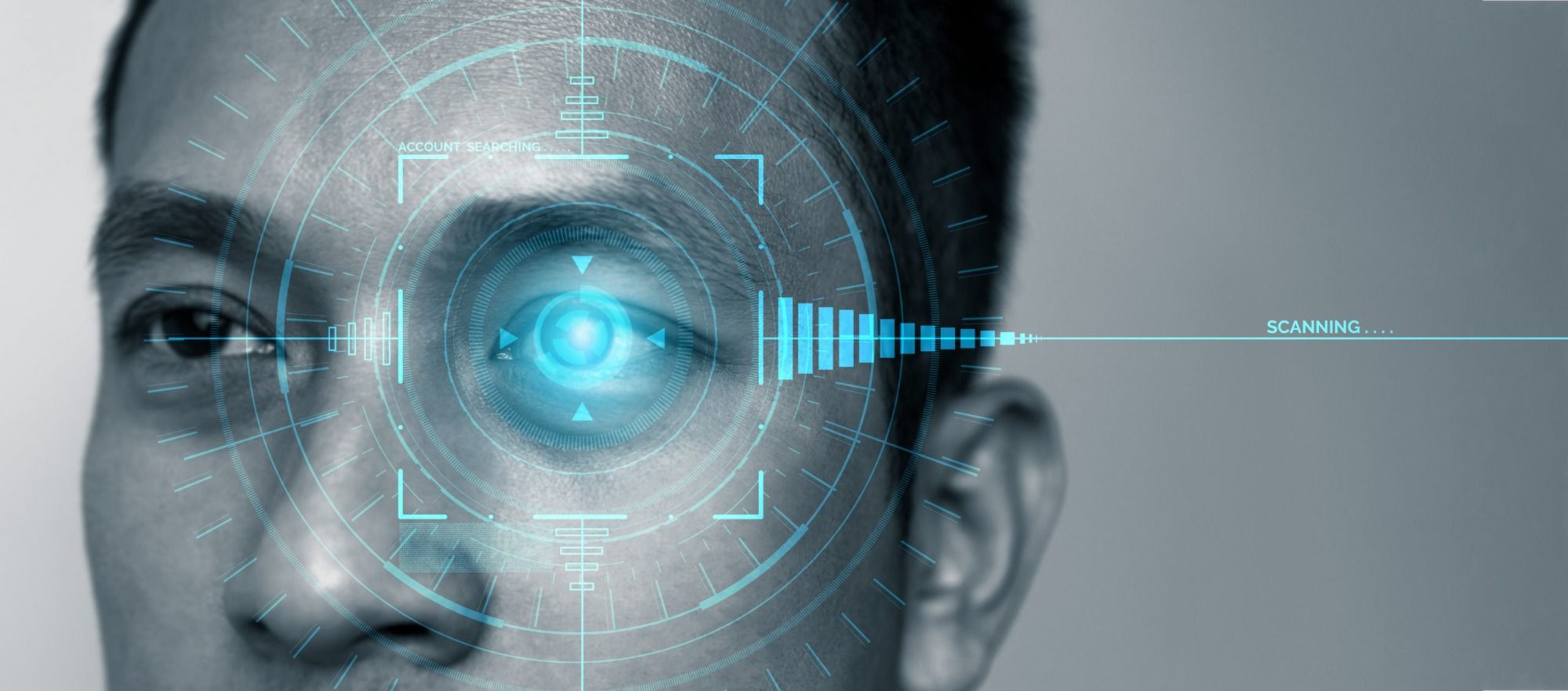
The iris, situated at the front of the eye, is a pigmented, circular muscle that governs the diameter of the pupil, controlling the quantity of light entering the eye to ensure optimal vision. Its function is essential for regulating the pupil’s size, thereby maintaining the appropriate amount of light necessary for clear vision.
Iris recognition technology is a biometric authentication method that identifies individuals based on the unique patterns within their irises, the coloured portion of the eye surrounding the pupil which distinguishes it from retina scanning It relies on high-resolution images of the iris, captured using specialized cameras or scanners, to extract distinct features such as the arrangement of furrows, crypts, and rings.
These features are then converted into a digital template, which is stored in a database for comparison during authentication. When an individual seeks authentication, a new image of their iris is captured and compared to the stored templates using pattern-matching algorithms. If there is a sufficient match, the individual’s identity is verified. Iris recognition technology is known for its accuracy and reliability, as iris patterns are highly distinctive and stable over time. It finds applications in various sectors, including border control, law enforcement, access control, and identity management.
Facial Recognition
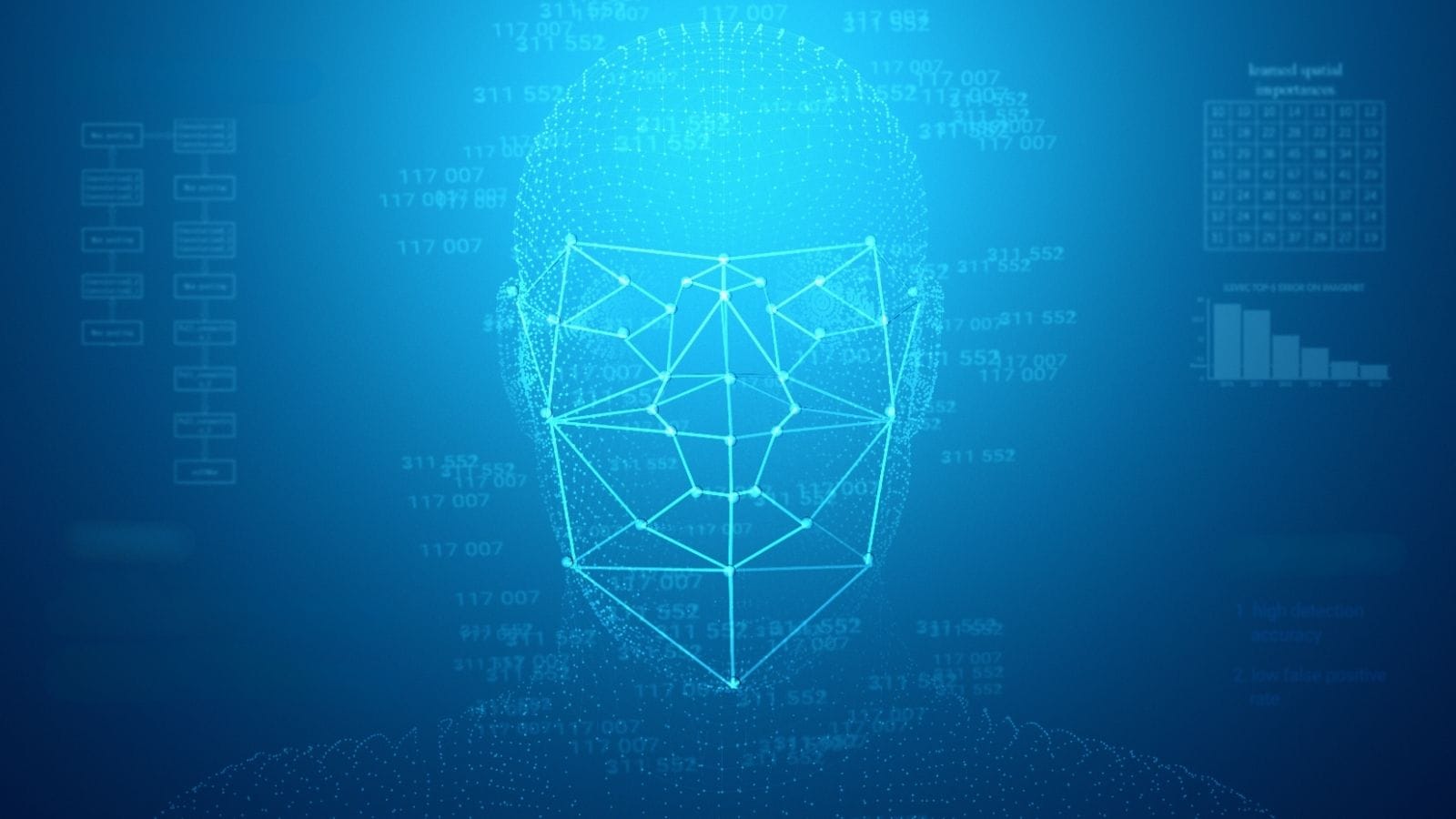
Facial recognition system is a sophisticated way to verify or ascertain someone’s identity using an algorithm that processes a digital image or video frame. It picks out distinguishing features of someone’s face shown in an image and matches these to the faces already logged within a database. It is growing in popularity, with new uses for it being developed all the time. Digital images and video stills are becoming clearer and easier to pick out distinct people and faces, while the matching software and algorithms are benefitting from increased data sources and accuracy.
The use of facial recognition and data is also increasingly becoming a vital part of commercial identification, helping to target individuals and personalize sales and marketing messages. Facial recognition is also increasingly used in automatic image indexing, human-technology interactions, and video surveillance systems. Technological advances are constantly happening, with significant upgrades.
Voice Recognition
A person’s voice – i.e. the way they sound when they speak – is the result of a combination of distinctive physical attributes (such as the length of vocal cords and the shape of the throat) and distinctive behavioural attributes (such as the accent with which a person speaks).
The human voice consists of / creates wave lengths that can be measured. The voice is collected and analysed by software that employs artificial intelligence and machine learning techniques to produce a vast array of data derived from factors such as modulation of speech, tones, accent, frequency etc. These elements enable the system to create a reference template of the voice (known as a ‘voice print’ or ‘voice model) that can be used to authenticate the speaker in subsequent transactions. Similar technology is applied to allow devices to understand, translate and interact with a voice command/question, for example, when talking to smart speakers, mobile devices, domestic appliances, virtual assistants.

DNA biometrics
DNA (Deoxyribonucleic acid) biometrics uses genetic information, specifically DNA profiles, as a unique identifier for identification, verification and authentication. By analysing a person’s genetic code, a distinctive biometric template is created for security and identification This technology is based on the fact that each person’s DNA sequence is unique, making it a highly reliable form of biometric identification.

Thermography
Thermography biometrics uses infrared cameras to detect heat patterns on a person’s face or body, creating a unique thermal signature for identification. This method is based on the principle that the patterns of blood vessels under the skin create unique heat distributions that can be captured by thermal imaging. Unlike traditional visible light-based facial recognition, thermography works independently of lighting conditions and can be used in low-light or even dark environments.
How it works
Thermography uses infrared cameras to capture the heat emitted by a person’s body. These heat patterns are influenced by blood vessel distribution, which is unique to each individual.
Advantages
Non-contact and non-invasive: Thermography doesn’t require physical contact with the person being identified, making it more convenient and hygienic.
Lighting independent: Unlike visible light-based methods, thermography works well in low-light or even dark environments.
Unique thermal signature: The heat patterns captured by thermography are unique to each individual, making it a reliable biometric identifier.
Applications
Security and access control: Thermography can be used for facial recognition in various settings, including access control systems, surveillance, and border control.
Fraud prevention: It can help prevent fraud by ensuring that only authorized individuals are granted access to secure areas or systems.
Medical applications: Thermography can be used to monitor body temperature and detect certain medical conditions.
Biometric Authentication Benefits
Biometric authentication offers a range of benefits that make it increasingly popular in various domains, from personal devices to corporate security systems. One of its primary advantages is enhanced security. Unlike weak authentication methods such as passcodes or PINs, biometric traits such as fingerprints, facial characteristics, or iris patterns are distinct for every individual and difficult to duplicate. This uniqueness makes it significantly harder for unauthorized users to gain access, thereby bolstering security levels.
Another key benefit is convenience. Biometric authentication does not require users to remember anything like their passwords or carry physical items like ID cards or keys. This makes the authentication process efficient, saves time and reduces the likelihood of forgotten credentials or misplaced items. With the increasing use of smartphones that support fingerprint or facial recognition technology, biometric authentication has become seamlessly integrated into daily routines for many people.
Key considerations for a responsible biometrics future include
- Updating privacy laws and regulations: Before implementing identity verification services reform, it is essential to update privacy laws and establish regulations to safeguard individuals’ data and privacy rights.
- Secure and responsible biometric data management: Biometric data must be handled with the utmost security and responsibility to build trust and enable seamless identification and access.
- A balanced approach to digital identity solutions: Digital ID solutions should integrate biometric and non-biometric verification methods to strike a balance between security and convenience.
- Addressing morphing and deepfake concerns: Manipulating biometric data to create fake identities, poses a significant threat and requires advanced security measures to maintain the integrity of biometric systems.
- Learning from biometrics to mitigate AI risks: As AI technologies continue to evolve, they will pose new risks. Lessons learned should be carefully assessed to develop effective mitigation strategies for AI risks.
- Securing systems and independent testing: The Three Laws of Biometrics states rigorous biometric testing is a necessity to ensure the integrity of systems. To safeguard data, systems must be secured and tested to independent standards both before and during their lifecycle.
Biometric Authentication Concerns
As biometrics gain wider usage, concerns regarding potential vulnerabilities are starting to emerge. What risks are businesses and organizations taking by adopting biometric authentication, and how does it impact customers and employees?
Privacy
Unlike passwords and verification codes, biometric data are parts of people’s identities. The following common identifiers represent unique physical or personality traits.
- Fingerprint scan
- Iris scan
- Facial scan
- Voice recognition
- Handprint geometry
- Vein mapping
- Behavioural characteristics
Whether inherited or learned, these markers are core aspects of personally identifiable information (PII) and can’t be changed. On the other hand, stolen passwords can be reset, but what can people do if their unique traits are stolen? The use of biometrics in authentication means every action taken is connected to the user to whom specific identifiers belong. Once a malicious third party manages to compromise a scan or fool an algorithm, it puts the real users’ reputation at risk. Technology for capturing images and information used in biometrics is becoming more powerful, which allows for more nuanced and detailed profiles of consumers and employees. However, just one vulnerability in the way the data is captured, stored or transmitted can expose private PII and allow hackers to not only access business networks but also take over every account associated with an individual’s biometric information.
Inaccuracy and Fraud
The tendency of users to assign similar or identical passwords to multiple accounts is often cited as a major problem for system security, but this becomes less of a concern when passwords are encrypted and hashed. Hashing assigns a completely unique identifier to every password, which is difficult or impossible for hackers to decode. This allows users to set passwords they can remember for easy access to systems.
Systems used to read and record biometric data may lack accuracy due to various factors such as sensor limitations, environmental conditions, and individual variability. Biometric sensors may have inherent technical constraints or flaws that affect their ability to accurately capture and interpret biometric traits. Environmental factors such as lighting conditions, noise, or physical obstructions can also interfere with the sensing process, leading to erroneous readings. Additionally, individual factors such as changes in appearance over time, injuries, or variations in biometric characteristics can contribute to inaccuracies. As a result, achieving consistent and reliable biometric authentication requires continuous refinement of sensor technology, environmental controls, and algorithms to minimize errors and enhance overall system accuracy. The irony of this situation lies in a hacker’s ability to reproduce a convincing fake of the original scan and use it for successful access. Information is vulnerable when it’s recorded, stored and transmitted, giving hackers multiple opportunities to lift identifying data.
Storage and Encryption
The risks of biometric data storage and encryption include potential breaches leading to unauthorized access or theft of sensitive personal information, as biometric data, once compromised, cannot be easily replaced like passwords or tokens. Poorly implemented encryption methods or inadequate security protocols may leave biometric databases vulnerable to cyberattacks, exploitation, or misuse. Moreover, the centralization of biometric repositories raises concerns about mass surveillance, privacy violations, and the potential for abuse by governments and international actors. Balancing the benefits of biometric authentication with the need for a comprehensive set of data security controls is critical to minimize these risks and ensure individuals’ privacy and security are upheld. Businesses can improve biometric data security with encryption, which keeps sensitive data hidden at all times, or choose not to store biometrics when possible. Authentication apps utilizing biometric data stored locally on users’ devices minimize the danger of compromise but still carry risks if a device is lost or stolen. Compromised applications on devices or networks create additional vulnerabilities, which must be considered when determining the best method to implement.
Complacency
Predictions show a vast majority of businesses use biometrics, and yet it still has the kind of mystical appeal often associated with science fiction. Business management appears to accept biometric authentication as a cure-all or magic bullet for solving access management problems. Research conducted at Michigan State University showed just how dangerous this kind of thinking can be. Using machine learning, researchers created a set of incredibly accurate “master prints” synthetic fingerprints with the ability to match to numerous real fingerprints and undermine the security of biometric scanners. In another startling example, Vietnamese hackers were able to use a just a handful of materials and tools to create masks capable of fooling Apple’s Face ID. Without other security measures in place, biometrics are vulnerable to compromise and can leave business networks vulnerable to these types of attacks.
What is Biometric KYC?
Biometric KYC is a process of verifying customers through their unique biological traits rather than traditional documents alone. It leverages biometric technology, including facial recognition, fingerprint scanning, voice recognition, and even iris detection, to confirm that a person is indeed who they claim to be. In contrast to traditional KYC methods that rely on static information like government-issued IDs or utility bills, biometrics use real-time and hard-to-replicate physical data, making it highly resistant to forgery and fraud.
Biometric KYC solutions offer several advantages: they’re faster, more accurate, and far more secure. By streamlining the verification process, they reduce the burden on customers while maintaining a high standard of security for companies. This approach directly aids AML compliance, providing banks and other financial services with a tool to flag suspicious behaviours, verify identities, and maintain a secure, regulatory-compliant environment. Additionally, biometric verification is increasingly valuable for preventing synthetic identity fraud—a tactic where fraudsters combine real and fake information to create entirely new identities—a growing threat in today’s financial landscape.
The Role of Biometric KYC in AML Compliance
As financial crime becomes more sophisticated, financial institutions and other regulated sectors face increasing pressure to meet Anti-Money Laundering (AML) compliance standards. Biometric KYC solutions have emerged as essential tools for tackling this challenge. By integrating advanced identity verification through biometrics, these solutions offer enhanced security, streamline onboarding, and ensure regulatory compliance across various industries.
1. Strengthening Security Measures
Traditional KYC methods—such as document verification or passwords—can fall short against fraud tactics like synthetic identity fraud and document forgery. Biometric KYC solutions fill this gap by using unique physiological traits (like facial recognition, fingerprinting, and iris scanning) to verify identity. For instance, facial features are highly individualised and much harder to replicate than typical identifiers, making biometrics effective in preventing impersonation and identity theft. This heightened security is essential in safeguarding financial accounts from unauthorized access and combating complex fraud schemes.
2. Streamlining Customer Onboarding
The need for a fast and reliable onboarding process is crucial, especially in digital-first services and financial institutions. Traditional KYC processes, which often rely on manual document checks, can be time-consuming and prone to human error. Biometric KYC, however, automates identity verification, reducing onboarding time and creating a smoother user experience. Customers can quickly complete registration through a single facial scan or fingerprint check, enhancing satisfaction and improving conversion rates while maintaining high levels of accuracy in identity verification.
3.Ensuring Regulatory Compliance
Global AML regulations increasingly mandate stringent identity verification processes to prevent illicit financial activities. Biometric KYC solutions help organisations meet these requirements by providing a secure, reliable means of verifying customers’ identities and flagging potentially suspicious activity. In the financial sector, for example, biometric authentication helps firms fulfil “Know Your Customer” (KYC) and AML guidelines more effectively, reducing both regulatory risk and the likelihood of costly fines. This compliance capability allows organisations to mitigate reputational and legal risks associated with financial misconduct.
4. Enhancing Operational Efficiency
Beyond security and compliance, biometric KYC solutions also offer operational advantages. By automating identity verification, they reduce the need for labour-intensive manual checks, thus lowering operational costs. This efficiency is particularly beneficial for large organisations dealing with high volumes of customer data and onboarding demands. Ultimately, biometric KYC enables companies to allocate resources more strategically, focusing on high-risk cases while maintaining robust compliance and security standards.
Benefits of Implementing Biometric KYC
Biometric KYC brings multiple benefits to businesses, particularly in African markets where digital inclusion is growing, and organisations need efficient, scalable, and secure onboarding solutions.
1. Higher accuracy in identification
Biometric KYC offers a precise and reliable method for identifying customers, significantly reducing the margin of error found in traditional document-based verification. Biometric identifiers, such as facial features, are nearly impossible to duplicate, making it highly challenging for fraudsters to create fake identities. This higher accuracy not only prevents fraud but also helps businesses comply with stringent AML regulations by ensuring that each user is verified accurately, minimising regulatory risks and enhancing security.
2. Faster Onboarding Process
As mentioned earlier, automated biometric verification enables instant identity checks, allowing businesses to verify users within seconds rather than days. This is particularly valuable in the African market, where connectivity and infrastructure challenges make rapid verification essential to deliver a smooth onboarding experience. Faster onboarding can lead to higher customer acquisition rates, as users benefit from a frictionless experience that doesn’t require extensive paperwork or prolonged wait times.
3. Enhanced User Experience and Accessibility
For many African users, especially those new to digital services, the user-friendly nature of biometric KYC methods such as facial recognition can greatly enhance the onboarding experience. By replacing passwords and knowledge-based verifications with a simple selfie or fingerprint, businesses offer a more accessible, intuitive process that aligns well with mobile-first usage patterns. This leads to increased customer satisfaction and encourages greater engagement with digital platforms.
4. Reduced Operational Costs
Biometric KYC reduces the need for manual checks and reviews, allowing businesses to streamline their processes. In African markets, where operational costs can be high due to logistical and infrastructure demands, this automated approach not only lowers costs associated with identity verification but also improves operational efficiency. By cutting down on paperwork, time spent on verification, and customer service requirements, organisations can allocate resources more effectively.
5. Improved Scalability and Reach
Facial recognition, the primary biometric method used by Smile ID, provides unique advantages for scalability, particularly in Africa. It requires only a smartphone camera, making it an ideal solution for reaching the continent’s large mobile-first population. This accessibility means biometric KYC can be deployed across vast geographical areas without the need for specialised hardware. For organisations looking to expand in the region, facial recognition offers a cost-effective, scalable solution to securely onboard new customers remotely, even in areas with limited infrastructure. In summary, biometric KYC solutions are proving to be valuable for African businesses as they expand their digital reach. By combining higher accuracy, speed, enhanced user experience, cost efficiency, and scalability, biometric KYC enables financial institutions and other sectors to provide secure, accessible, and efficient services across diverse regions.